


The Ultimate Guide for Exploring Waterloo Village
- Sep 3, 2024
- 5 min read
Updated: Jan 22
Stanhope, NJ

History of Waterloo Village
Waterloo Village holds a unique place in history as the only location where visitors can walk through a small village set along the Morris Canal. This canal is globally recognized for its innovative use of inclined planes to move heavy coal and cargo boats over the hills of the Highlands Region, lifting and lowering them out of the water. Spanning over 100 miles from Phillipsburg to Jersey City, the canal overcame an impressive elevation change of 1,674 feet.
The Morris Canal began operations in 1831, with its peak in tonnage and revenue occurring in 1866. For nearly a century, boats navigated the canal’s locks, levels, and inclined planes, dramatically altering the landscape of the region.

The Andover Forge Farm, originally owned by the Smith family, sat along the canal’s route and evolved into a bustling village featuring commerce, industry, lodging, education, and worship. Over three generations, the Smith family, who owned the land and buildings, flourished in education, business, banking, and public service, ultimately renaming Andover Forge Farm to Waterloo between 1840 and 1860.
Start your Adventure Here...
Stop #1: Waterloo Entrance/The Morris Canal
A key highlight of the Waterloo Village Historic Site is the Morris Canal. As you explore Waterloo Village, you'll be greeted by one of the last remaining water-filled sections of the canal, offering a picturesque view as you begin your visit.


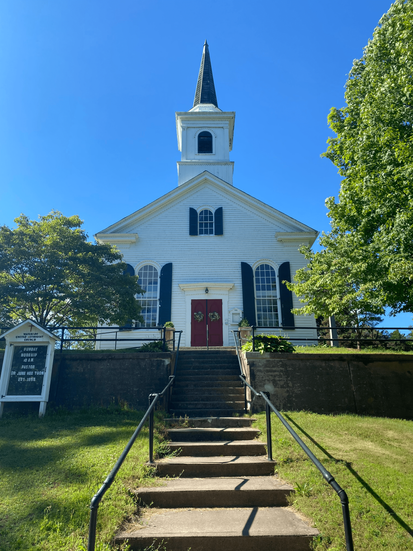
Stop #2 : Waterloo Methodist Church and Parish (1859)
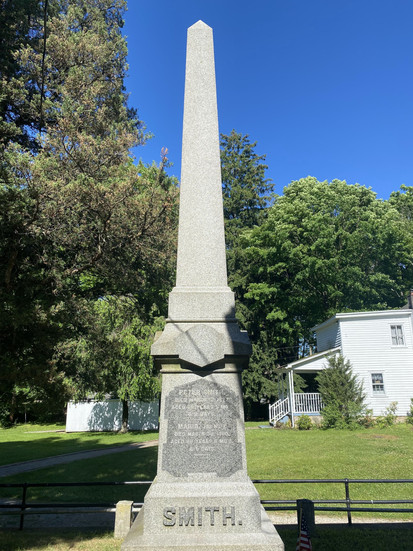
Established in 1859, the Waterloo Methodist Church in the village was made possible by the Smith family's generous donation of land and funds. The church continues to have a thriving congregation, and its cemetery is where John Smith, the head of the family, is buried.






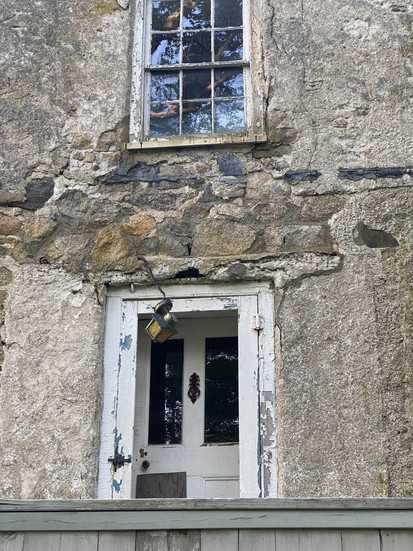
Stop #3: The Tenant House (1840s)
Built after the canal’s opening, this stone house served as a home to the hardworking canal workers, farmers, and immigrant laborers who kept Waterloo Village thriving. It stands as a tribute to the community’s rich history and the people who made it all possible.








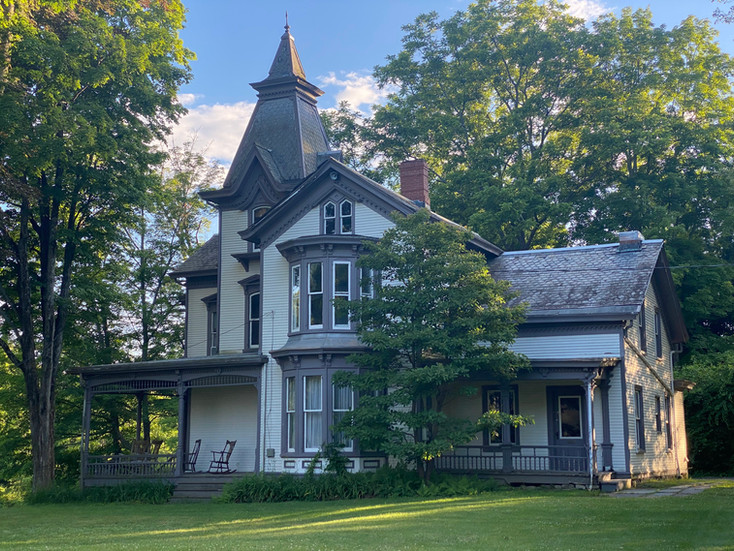
Stop #4: The Seymour Smith House (1876)
This elegant Victorian-era Italianate and Queen Anne style residence was home to Seymour R. Smith, a descendant of John Smith. The Smith family’s commitment to their land helped transform Waterloo into a bustling commercial and residential hub.



Stop #5: Homestead & Homestead Green Barn
Peter C. Smith was one of John Smith's sons who helped his father establish a village on a farm. Peter and his wife, Maria, lived in the homestead with their eleven children, though sadly only six survived to adulthood. The original part of the house was built in 1760 for iron mining purposes, later converted into a barn and then back into a residence. During the canal era, Peter and his family added their own touches to the property like the decorative windows and front porch.


Stop #6: Smith Store (1831)
Ingeniously built into the canal’s embankment, this store made loading and unloading goods a breeze for canal boats and wagons. It was a one-stop shop for village residents, travelers, and canal workers, with Seymour Smith once serving as both store clerk and postmaster.
Stop #7: Blacksmith Shop
The only operational blacksmith shop along the Morris Canal route still fires up its forge today. This is where tools, wagon wheels, and horse shoes were crafted and repaired, keeping the village running smoothly.

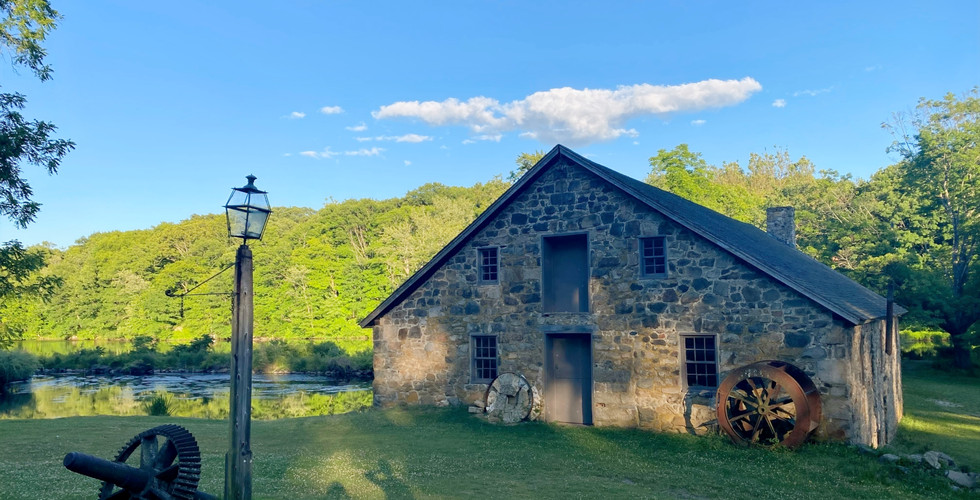

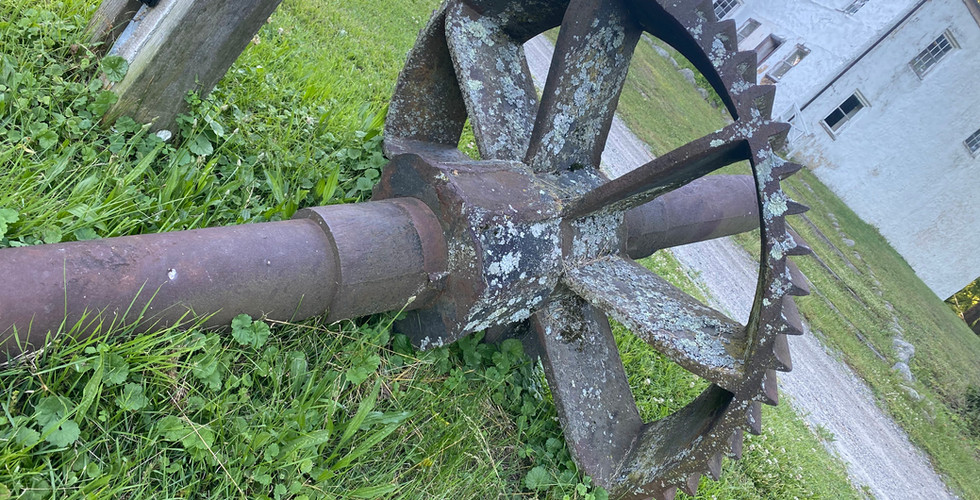



Stop #8: Gristmill & Sawmill
These mills, powered by water from the nearby mill pond, were essential to the village’s operations. The gristmill ground grain, while the sawmill and plaster mill (now a reconstructed version) supported local industries.


Stop #9: Waterloo Hotel & Tavern (1761)
This historic establishment once provided lodging and long-term accommodations for a diverse mix of boarders—from farm laborers to telegraph operators. Families ran the show, with fathers tending bar and mothers and daughters managing the day-to-day tasks.


Stop #10: Schuman House (1840)
Similar in purpose to the tenant house, the Schuman House was home to families who contributed to the village’s labor force. It remained privately owned until the 1980s.





Stop #11: Peter D. Smith House (1870)
With its Mansard roof and French Empire style, this home was built by Peter D. Smith, grandson of John Smith. Though the family faced their share of tragedies, the home stands as a testament to their enduring legacy in Waterloo Village.


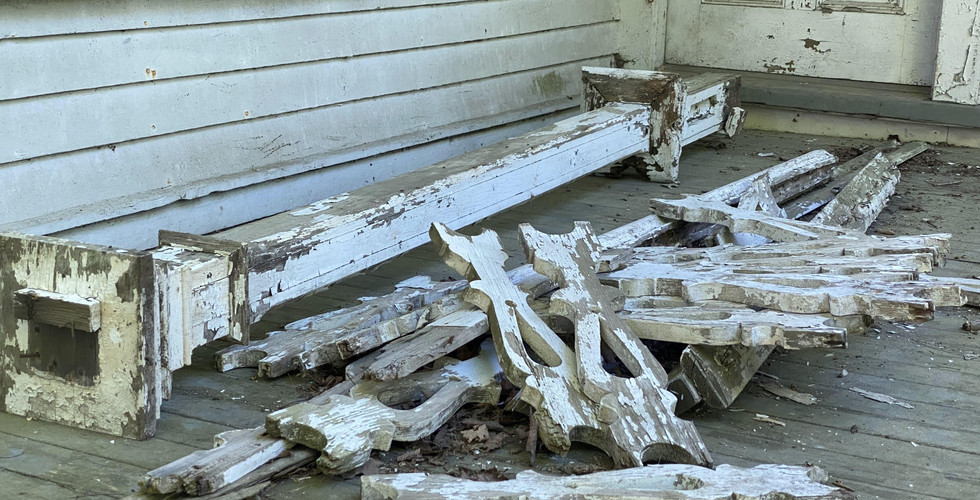


Stop #12: Samuel T. Smith House (1760s)
As one of the original stone houses, this residence was home to Samuel T. Smith, who took over the family’s businesses and expanded the house in the 1870s. It’s a piece of the village’s deep-rooted history.


Stop #13: Canal Museum (1860)
Housed in one of the village's residential homes, here, you can dive into the fascinating history of the Morris Canal at this museum. Volunteers from the Canal Society of New Jersey have curated a collection of photos, models, and artifacts that bring the canal’s story to life.





Stop #14: The Library (1860)
Though little is known about its origins, the library was relocated in the mid-1900s and renovated to serve as an office and a repository of books, adding a layer of mystery to Waterloo Village’s past. Many speculate that it was either a tenant home or a private residence.
Stop # 15: The White Barn Boat Exhibit (1870s)
The only known surviving Morris Canal boat was unexpectedly discovered far from the canal in Highlands, NJ, near Sandy Hook in 2016. Today, the boat's bow is displayed in the White Barn at Waterloo Village, where the Canal Society of New Jersey has created artistic and informative exhibits around it. Historically, during the Morris Canal era, the White Barn served as the carriage house for the nearby Samuel T. Smith house.


Stop #16: The Cottage (Late 20th Century)
This mysterious structure may date back to the late 1900s, but its exact origins remain unclear. Today, it serves as a venue for special exhibits.


Stop #17: Blue Barn (1870s)
This building originally served as the carriage house for Peter D. Smith. Typically located behind the main residence, carriage houses were used to store carriages, equipment, livery supplies, as well as horses and hay.
Stop #18: Rutan Cabin & Farm Site (1790)
The Rutan cabin, likely constructed between 1790 and 1800 in Frankford Township, NJ, has a rich history with many generations of the Rutan family as owners. Originally a simple one-room, one-and-a-half-story structure, additional rooms were added later on each floor. To preserve and share this piece of history, the cabin was relocated to Waterloo Village in 1988. The front of the cabin still showcases the original chestnut logs and clay chinking, with dovetailed corners designed to expel rainwater, and exposed ceiling beams that support the overhanging porch roof.
Stop #19: Mule Barn (1970s)
Built in the late 1970s as a gathering space, this barn likely stands where a historic structure once sheltered horses and mules. Today, it’s used for exhibits, events, and meetings.



Stop #20: Interpretive Center (1870s):
Originally serving as the carriage house for the Seymour Smith House, this building now hosts a variety of exhibits, antiques, and intriguing curiosities. It's also a popular starting point for walking tours and other programs led by the Waterloo Village staff.
Stop #21: Meeting House & Pavilion
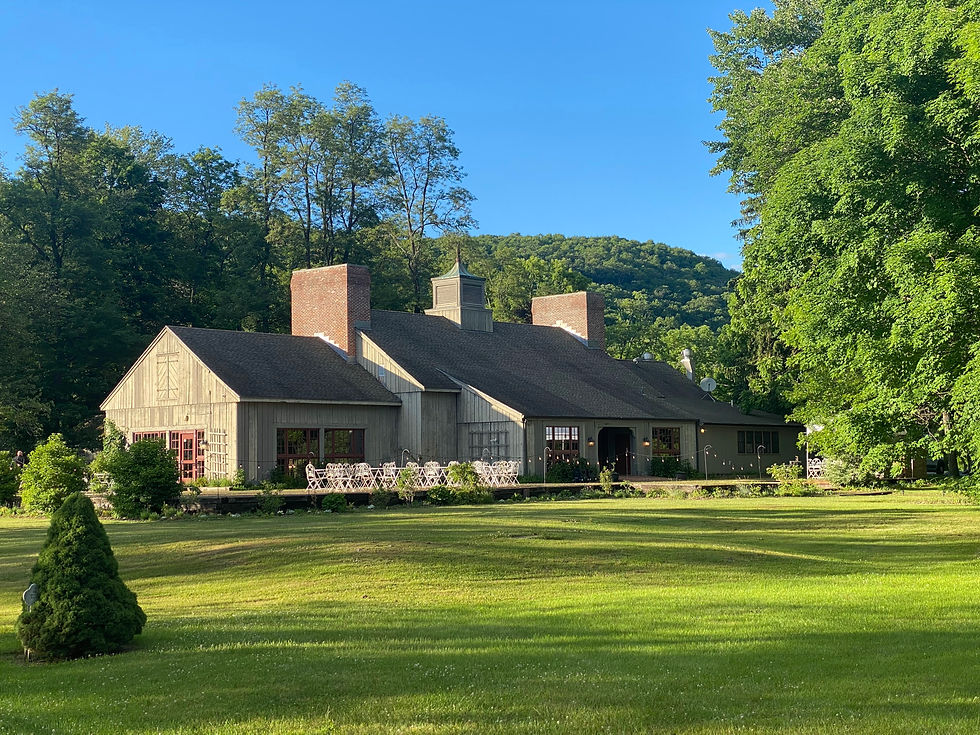
The meeting house and pavilion, constructed in the 1980s, serve as charming banquet halls that frequently host weddings and special events
Winakung at Waterloo
If you're up for continuing your adventure after exploring Waterloo Village, be sure to check out Winakung at Waterloo!
This recreated Lenape Village brings history to life with interactive exhibits and hands-on activities that let you step into the world of the Lenape people. Learn about traditional practices like hunting, fishing, storytelling, and natural medicine as you explore the village. You'll also discover authentic longhouses and other structures, offering a fascinating glimpse into how the Lenape lived.
📍 Allamuchy Mountain State park, Waterloo Village Waterloo Road Stanhope, NJ 07874





Comments